
Language lexicon
In which language is “radio” literally called “machine-collect-sound”? Or which European language is descended directly from Arabic? In our blog series “The little language lexicon” we introduce the languages in our voice agency. What makes each language special, and what do they have in common? An exciting journey around the whole world!
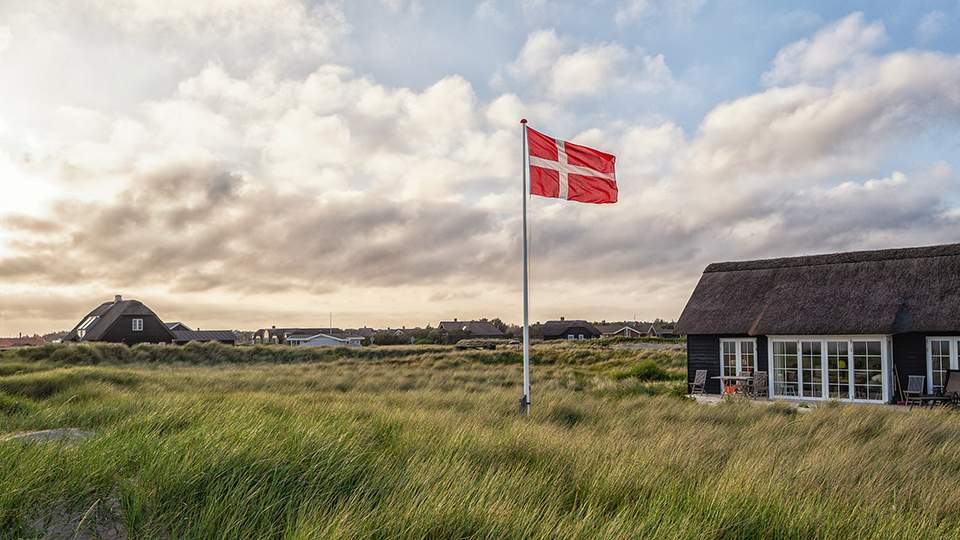
In our blog series “The little language lexicon”, today's topic is the Danish language. It is descended from the language of the Vikings, Old Norse.
Read more →
In our blog series “The little language lexicon”, today's topic is Ivrit – the Hebrew language. We'd like to tell you why, for many…
more →
Luxembourgish is a good example of how important a language can be for national identity. A Central German variety or a language in its own…
more →
Today is the “International Day of the French Language” – so of course it's a must for us to dedicate today's instalment of our blog series…
more →
From the Roman Empire and the works of Giovanni Boccaccio, Pietro Bembo and Alessandro Manzoni to the “Italiano del Duemila”: in our series…
more →
Today our language lexicon takes us to South-East Asia, to Vietnam. We introduce a language that has been little studied by linguists…
more →
“Leberwurst” (liver sausage), “Backenbart” (sideburns) and “Zeitnot” (time pressure) – what sounds very German at first also exists in…
more →
The Homeric epics, the dramas of Sophocles, the writings of Plato or the New Testament: Western culture has been profoundly shaped by Greek…
more →
Today our blog series “The little language lexicon” takes us to a mystical place of fire and ice just below the Arctic Circle, where a…
more →
Today our blog series “The little language lexicon” is about the Czech language, which is spoken by a total of 13 million people. Yet this…
more →
In our series “The little language lexicon”, today we introduce Maltese. The language of the island of Malta once developed from Maghrebi…
more →
Today in our series “The little language lexicon” we introduce a language that spread around the world in the 15th and 16th centuries and is…
more →
In our series “The little language lexicon”, today we venture into a language area larger than Europe. Find out in our article why speakers…
more →
In our series “The little language lexicon”, today we head far north and introduce the Finnish language. And to go with it, of course, there…
more →
Today we're launching our new blog series “The little language lexicon”. Here we gather interesting facts about the languages represented at…
more →New posts on voice, studio and production – now and then, no spam.